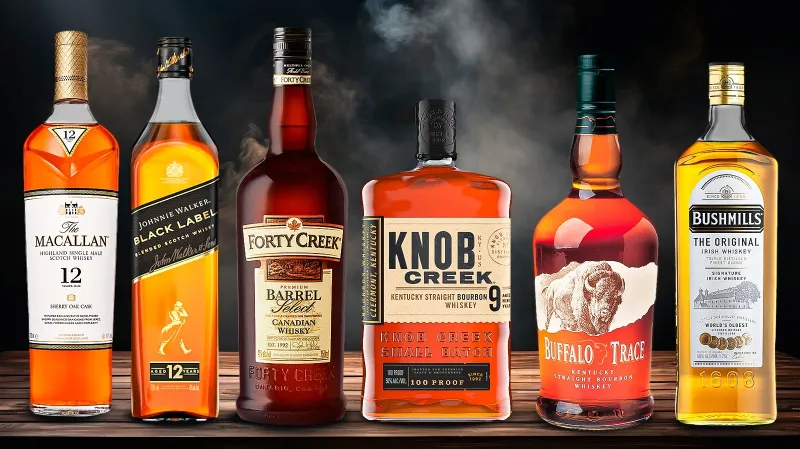
Morning After the Barrel: What Science Actually Says About Whiskey Hangovers
Let's be honest. You didn't come here for a lecture. You came here because your head is pounding, your mouth tastes like an old bourbon barrel left in a parking lot, and someone on the internet told you that a raw egg and pickle juice would fix everything.
It won't. But some things actually will—and knowing the difference is worth a lot more than another round of bad advice.
What a Hangover Actually Is (Skip This If You Think You Already Know)
A hangover isn't just dehydration. That's the first myth worth burying. Yes, alcohol is a diuretic, meaning it tells your kidneys to flush more fluid than you're taking in. That contributes to the headache, the dry mouth, the general sense that your skull has shrunk two sizes overnight. But dehydration is only part of the story.
Your body also breaks down alcohol into acetaldehyde—a toxic compound that your liver then converts into something harmless. When you drink faster than your liver can process, acetaldehyde builds up. That's what causes the nausea, the flushed skin, and the feeling that sunlight is personally attacking you. On top of that, alcohol disrupts your sleep cycles, tanks your blood sugar, and triggers low-grade inflammation throughout your body. That's why you feel like garbage in multiple ways at once, not just one.
Understanding this matters because it changes how you think about solutions.
Hydration: Yes, But Don't Overdo the Credit
Drinking water helps. Nobody's going to tell you otherwise. The practical move is to alternate alcoholic drinks with water throughout the night—not as a punishment, but as basic maintenance. A glass of water before bed is better than nothing. A full liter before bed is better still.
But here's the honest part: water alone won't save you from a serious night. If you've put enough whiskey away that your acetaldehyde levels are working overtime, no amount of hydration fixes the biochemical mess happening in your liver. Electrolytes help more than plain water for some people—sodium and potassium both take a hit when you drink heavily. Sports drinks, coconut water, or even a basic electrolyte packet in a glass of water can make a real difference in how you feel the next morning.
What doesn't work: chugging water after you wake up and expecting a miracle. You're playing catch-up at that point. Prevention beats recovery every single time.
Does Whiskey Quality Actually Matter?
Yes. Not in the way whiskey snobs usually frame it, but yes.
Congeners are the chemical byproducts produced during fermentation and aging—things like methanol, tannins, and acetone. Darker spirits like bourbon, rye, and aged Scotch contain more congeners than clear spirits like vodka. Studies have shown that drinks with higher congener content tend to produce worse hangovers, even when the alcohol content is identical.
This doesn't mean cheap bourbon destroys you while expensive bourbon lets you off easy. Price isn't the variable here—color and production method are. A well-aged single malt and a budget blended whiskey both carry more congeners than a vodka soda. What quality does affect is whether your whiskey is full of added sugars, artificial flavoring, or other additives that some lower-end products use to smooth out rough edges. Those additions can absolutely make your morning worse.
The practical takeaway: if you know you're sensitive to hangovers, lighter spirits will be kinder to you. But if whiskey is your drink, better quality—real grain, honest aging, no shortcuts—is worth the investment for more than just the taste.
Food Timing: The Window That Actually Matters
Eating before you drink is one of the most well-supported strategies in the hangover prevention playbook. Food—especially fat and protein—slows alcohol absorption in your stomach and small intestine, giving your liver more time to process what's coming in. That's not a myth. That's basic physiology.
The myth is eating a massive meal after you've already been drinking heavily and expecting it to undo the damage. Once alcohol is in your bloodstream, a plate of nachos isn't pulling it back out. The window that matters is before and during drinking, not after.
The classic greasy breakfast the next morning? It's comfort food, not medicine. It might settle your stomach and boost your blood sugar, and there's nothing wrong with it on those grounds. Just don't expect bacon and eggs to reverse what happened at the bar.
The Hair of the Dog: A Temporary Truce, Not a Solution
Having another drink in the morning does provide temporary relief for some people—that part isn't entirely fiction. Alcohol slows the conversion of methanol (a congener) into formaldehyde, which is more toxic than methanol itself. By introducing more ethanol, you're essentially buying your body time.
But you're not solving anything. You're delaying it. The hangover is still coming, and now you've added more alcohol to the equation. For most people, this is a short-term tradeoff that leads to a worse afternoon. For people with any inclination toward alcohol dependency, it's a genuinely risky habit to develop. Hair of the dog is a coping mechanism dressed up as a cure. Know what you're actually doing when you reach for it.
What Actually Helps the Morning After
When the damage is done, here's what moves the needle:
Sleep. Your body does most of its repair work while you're unconscious. If you can sleep it off, sleep it off.
Electrolytes and fluids. Water with electrolytes is more effective than plain water. Pedialyte has become a legitimate hangover staple for a reason—it's just a hydration formula, and it works.
Food with substance. Carbohydrates help restore blood sugar. Something with protein helps too. You don't need a specific magical food—you need fuel.
Pain relievers with caution. Ibuprofen can help with headaches and inflammation, but it's hard on your stomach when you're already irritated. Aspirin thins blood and can worsen nausea. Acetaminophen (Tylenol) is a hard no—combining it with alcohol metabolites puts real strain on your liver. If you need something, ibuprofen with food is generally the safest option for a healthy adult.
Time. There's no way around it. Your liver processes about one standard drink per hour. If you drank eight, your body needs roughly eight hours to clear the alcohol, and then additional time to recover from everything else. No supplement, no secret remedy, no amount of cold showers changes that math.
The Real Takeaway
The best hangover cure is the one you execute the night before—water between drinks, food before you start, knowing your limits, and choosing quality over quantity when you can. That's not exciting advice, but it's the honest kind.
When you've already crossed the line, be realistic. Rest, hydrate properly, eat something real, and give your body the time it needs. Skip the miracle cures. They're not in the bottle, and they're not on the internet.
They never were.