Behind the Stick: What Your Bartender Wants You to Know (But Won't Say Out Loud)
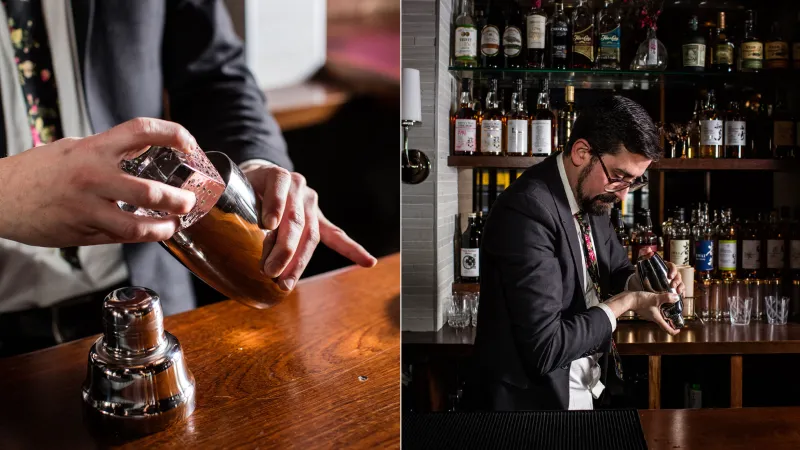
Photo: bartender pouring drinks at a busy bar counter, via assets-prd.punchdrink.com
Every bartender has a look. You know the one — that brief, barely-there pause before they smile and say "sure, no problem" when you ask for something that is, in fact, a problem. It's the professional equivalent of counting to three before responding. They've earned that look, usually over years of Friday nights that would break a lesser person.
We sat down with a handful of bartenders from across the country — dive bars in Nashville, neighborhood taverns in Chicago, honky-tonks in Texas, and sports bars in Philadelphia — and asked them the question they never get to answer honestly: What do you wish your customers actually knew? What came back was equal parts practical wisdom, dark humor, and genuine affection for the job.
The Moment You Walk Up Matters More Than You Think
"The biggest mistake people make is trying to order before I've made eye contact," says Marcus, who's been bartending in Chicago for eleven years. "I see you. I know you're there. Give me two seconds to finish what I'm doing and I'll get to you. Snapping fingers, waving a twenty — that stuff just puts you lower on the list."
This came up in nearly every conversation. Bartenders are not ignoring you. They're working a mental queue that involves multiple tabs, timed pours, and customers who've been waiting longer than you have. The fastest way to get served is to be ready — know what you want, make brief eye contact, and wait your turn. It sounds obvious, but apparently it needs to be said.
Conversely, the customers who get served fastest? The ones who are easy. "If someone walks up, gives me a friendly nod, and says 'whatever IPA you've got on draft and a shot of Bulleit,' I love that person," says Jess, who bartends at a tavern outside Nashville. "They're not making my job harder. They're making it fun."
"Make It Strong" Is Not an Order
Let's clear this up once and for all. Asking a bartender to "make it strong" is not a customization. It's a request to give you more alcohol for the same price, which puts the bartender in an awkward spot — either they under-pour someone else to compensate, or they eat the cost themselves. Neither is great.
"I hear it ten times a night," says Derek, who tends bar at a sports bar in Philly. "And look, I get it — people want value. But I'm pouring measured shots for a reason. It keeps the drinks consistent and it keeps the bar running. If you want more, order a double and pay for it. That's what doubles are for."
The same logic applies to "easy on the mixer" or "extra dry" — these are legitimate customizations that bartenders are happy to accommodate. But there's a difference between personalizing a drink and asking someone to shortchange their employer on your behalf.
The Complicated Order at the Wrong Time
There's a time for a seven-ingredient craft cocktail with a smoked rosemary garnish. A packed Friday night at a bar with two people behind the stick is not that time.
"I can make almost anything," says Carla, who's worked in bars from Austin to Atlanta over the past decade. "But when I've got fifteen people waiting and someone wants a Ramos Gin Fizz, I'm going to be honest — that's a two-minute drink in a one-minute window. I'll make it, but I'd love it if people read the room a little."
The unwritten rule here is simple: save the elaborate orders for slower moments. If the bar is three-deep and the bartender looks like they're running a controlled emergency, a whiskey and Coke is your friend. Come back on a Tuesday and order the fancy thing. You'll get a better drink and a bartender who actually has time to make it right.
What Actually Gets You Better Service
Every bartender we spoke to had a version of the same answer when asked what separates their favorite regulars from the rest: they treat the bartender like a human being.
"Remembering my name, saying please and thank you, not leaving a mess — it sounds like kindergarten stuff, but it matters," says Marcus. "And honestly, tipping well consistently. Not just on big nights. I remember who tips well on a slow Tuesday. Those people get taken care of."
Tipping culture in bars is its own conversation, but the baseline is this: in the US, a dollar per drink is the floor for simple orders, and fifteen to twenty percent applies to tab totals just like it does at a restaurant. Bartenders are typically tipped employees, which means their base wage reflects the expectation that tips make up the difference. Treating that as optional isn't a statement — it just means you won't get a second look next time you're trying to catch someone's eye.
Beyond tipping, the regulars who get the best treatment are the ones who are genuinely pleasant to be around. "I've got people who come in every week and they're just good," says Jess. "They're not trying to impress anyone. They're just there to have a good time and they make the bar feel better. I'll go out of my way for those people every single time."
The Drink Substitution Conversation
One thing bartenders universally appreciate: if you have a dietary restriction, an allergy, or a genuine preference, just say so upfront. "Tell me you can't have citrus, or you hate anything too sweet, or you're allergic to something — I can work with that," says Carla. "What I can't work with is someone who orders a drink, takes one sip, and says it's not what they wanted. Help me help you."
Good bartenders genuinely want you to enjoy what you're drinking. Give them the information they need and most of them will go out of their way to get it right. It's a collaboration, not a transaction.
The Last Call Reality
Last call is real. It's not a suggestion. When a bartender announces last call, they mean it — not "last call unless you really want one," not "last call but I'll probably make an exception." The bar has closing procedures, and those procedures start at last call. Ordering right at the cutoff is fine. Trying to order after it has been called is the kind of thing that gets you remembered for the wrong reasons.
"I don't mind the people who rush up right at last call," says Derek. "That's fine. What I mind is the negotiating. 'Just one more, come on.' I've already started closing. No."
The bottom line from every bartender we talked to is pretty consistent: be a decent person, know what you want, tip fairly, and treat the people behind the bar with the same respect you'd want in return. Do those things and you'll never have a bad night at a bar. It's not a complicated code — it's just common sense with a splash of whiskey.