When the Magic Disappears: Why Your Go-To Bar Dish Never Tastes the Same Twice
You know the feeling. You've been thinking about those nachos since Tuesday. You slide into your usual stool, order your whiskey, and tell yourself tonight's going to be exactly like that last great Thursday. Then the plate lands in front of you and something's off. The cheese is different. The chips are soggy. The whole thing tastes like it was assembled by someone who's only heard nachos described over the phone.
It's not nostalgia playing tricks. The dish genuinely isn't the same. And if you've spent enough time in bars — really spent time, not just passing through — you've watched this happen to your favorite spots more than once.
So what's actually going on?
The Chef Is the Secret Ingredient Nobody Puts on the Menu
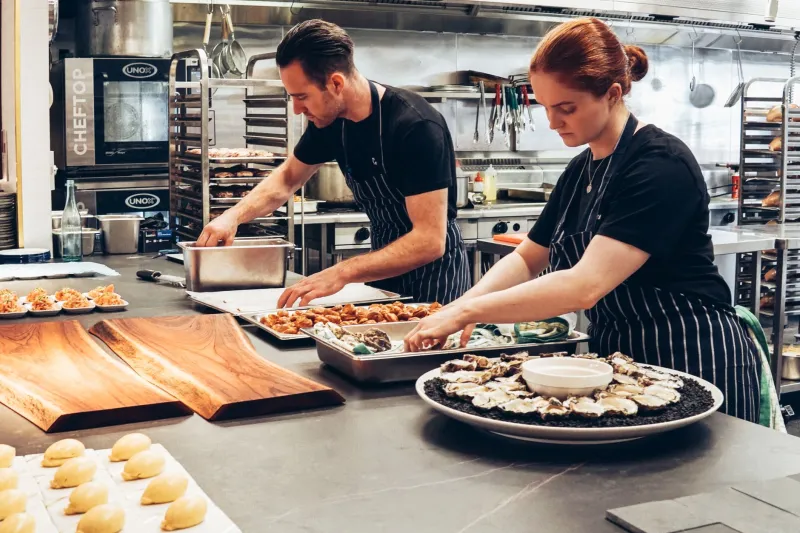
Here's a truth that bar owners don't love to advertise: a lot of what makes comfort food taste great at a specific place isn't the recipe. It's the person executing it. A good line cook develops muscle memory. They know how long this fryer runs hot. They know the wings need an extra thirty seconds in this oven. They know the burger gets pressed exactly once and not again.
When that person takes a night off — or worse, doesn't come back — the recipe card doesn't fill the gap. A new hand in the kitchen is working from instructions, not instinct. And comfort food, maybe more than any other category, lives in the margins between instruction and instinct.
Kitchen managers at busy taverns will tell you the same thing quietly: turnover is their biggest enemy. The hospitality industry runs somewhere around 70-75% annual turnover in the US, depending on the year and the market. That means the person who perfected your favorite smash burger in January might be working somewhere else entirely by April. What's left is a recipe and a prayer.
The Ingredient Shuffle You Never See Coming
Supply chains are boring until they ruin your dinner. Most tavern regulars have no idea how often the sourcing behind their favorite dishes quietly shifts. A bar that used to get its beef from a local butcher switches to a broadline distributor to save fifteen cents a pound. The hot sauce that gave those wings their signature bite gets discontinued and the kitchen subs in whatever's closest on the shelf.
None of this gets announced. There's no chalkboard sign that says "Hey, we changed our cheese blend and honestly we're not sure how it's going to shake out." The dish just shows up slightly wrong and you sit there wondering if your palate is broken.
Smaller taverns are actually more vulnerable to this than you'd think. A big chain has purchasing agreements and spec sheets that lock in consistency. Your neighborhood spot is buying from three different vendors, dealing with seasonal availability, and making calls on the fly. Sometimes that's what makes them special. Sometimes it's what makes your nachos a gamble.
Shortcuts That Compound Over Time
There's a particular kind of kitchen decay that happens gradually enough that nobody catches it until the damage is done. It usually starts with one small shortcut — pre-shredded cheese instead of block, frozen onion rings instead of hand-battered, jarred gravy instead of made from scratch. Each individual swap seems defensible. Saves time, saves money, keeps the ticket times down on a busy Friday.
But shortcuts stack. And once a kitchen culture accepts one, the next one comes easier. Six months later, the dish that made your bar famous is a ghost of itself, assembled from convenience products and muscle memory of the original without any of the craft.
Long-time regulars notice this before ownership does, almost every time. There's a particular kind of grief that comes with watching a dish you loved slowly become something you tolerate.
What Separates the Places That Hold It Together
Some bars manage to stay consistent for years, even decades. It's not magic and it's not luck. A few things tend to separate them from the places that drift.
Documented standards that actually get enforced. The best kitchen managers treat their comfort food like it matters, because it does. Written specs for portion sizes, plating, cook temps — and someone who actually checks. Not every night, but enough that the standards stay real.
Low turnover, and the culture that creates it. Bars that treat their kitchen staff well — fair pay, reasonable hours, actual respect — tend to keep people longer. Continuity in the kitchen is continuity on the plate. It's that simple and that hard.
Ownership that eats the food. This sounds obvious, but plenty of bar owners haven't actually tasted their own nachos in months. The places that stay sharp usually have someone with skin in the game who's sitting at that bar regularly, eating what the regulars eat, noticing when something's off.
Sourcing relationships that get protected. The best spots treat their ingredient suppliers like partners, not commodities. When you've got a handshake agreement with the butcher and you've been buying from the same produce guy for five years, you don't blow that up to save a few bucks on a quarterly report.
What You Can Do About It (Besides Suffer)
As a regular, you actually have more influence than you think — if you're willing to use it.
Say something when it's off. Not in a confrontational way, just honest. "Hey, the wings tasted a little different tonight — everything okay back there?" A good bartender passes that along. A good kitchen manager wants to know. Silence just lets the drift continue.
Build a relationship with the staff who actually care. Find out who's been there longest. Those are the people who remember what the dish used to taste like and still care about getting it right.
And if a place starts consistently disappointing you? Stop waiting for it to go back to what it was. Sometimes the version of the bar you loved is gone, and the kindest thing you can do for yourself is admit it and find somewhere new to become a regular.
The Honest Truth About Tavern Food
Comfort food is deceptively hard to do well, consistently, over time. The best bar kitchens in America make it look effortless — hot wings that taste exactly right every single Tuesday, a French onion soup that's been unchanged since the Carter administration, a burger that never once makes you regret ordering it.
That consistency isn't an accident. It's the result of people who give a damn, sourcing that doesn't get cut corners, and kitchen culture that treats a plate of nachos with the same respect you'd give anything worth getting right.
When you find a bar that's got it figured out, tip well, show up regularly, and tell your friends. Places like that are worth protecting.
And when your favorite dish starts tasting like cardboard? Now you know exactly why.