Why Drinking Out Costs More Than You Think (And Why You'll Keep Doing It Anyway)

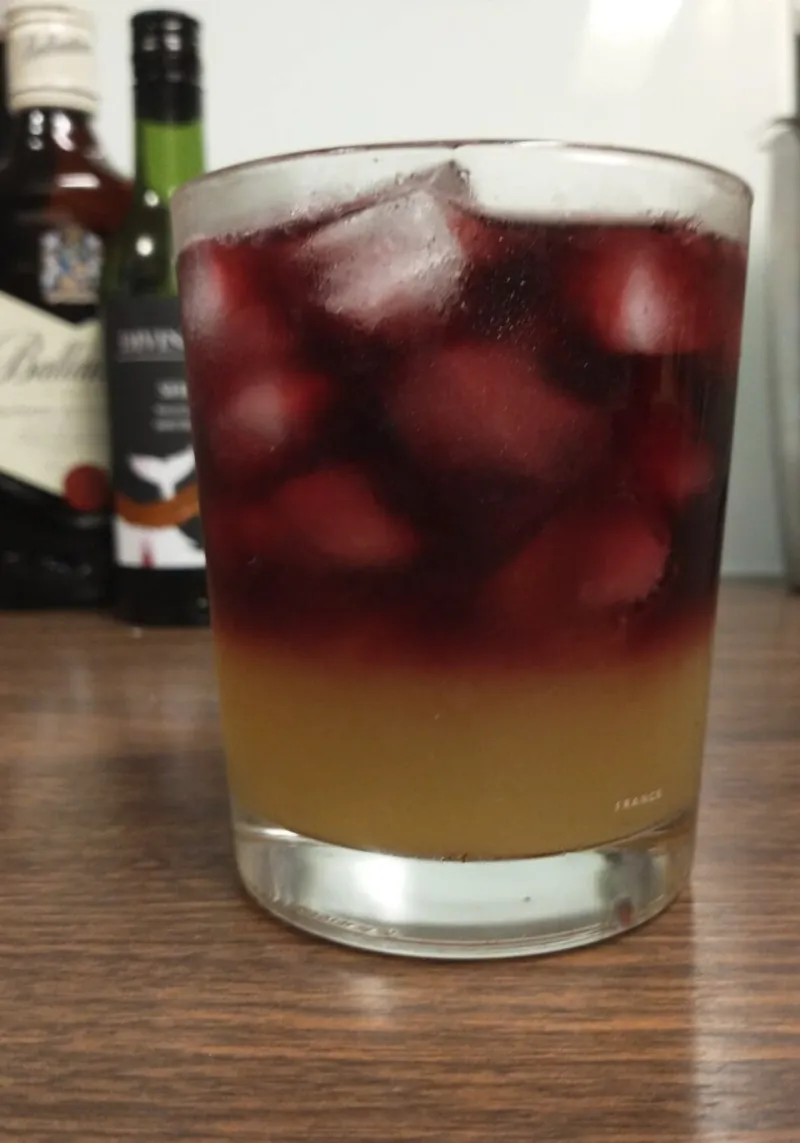
Photo: home bar setup with whiskey bottles and cocktail glasses, via i.pinimg.com
At some point, every regular bar-goer does the math. You're holding a glass of mid-shelf bourbon that you know costs about $28 at the liquor store. The bar charged you $11 for what amounts to roughly one and a half ounces. You pull out your phone, run the numbers, and come to the conclusion that you're being absolutely robbed.
You're not. But the full picture takes a little longer to explain.
The Basic Math of Bar Markup
Bars operate on what's called a pour cost, which is the percentage of a drink's retail price that goes toward the actual liquid in the glass. Industry standard sits somewhere between 18 and 25 percent for spirits. That means for every dollar a bar charges for a drink, roughly 20 cents went toward the product itself.
Let's run a real example. A 750ml bottle of a popular mid-tier bourbon—call it the kind that retails for around $35—contains approximately 25 standard 1.5-ounce pours. At a pour cost of 20 percent, each of those pours should generate about $7 in revenue, meaning the bar prices that drink around $7 to $9 at the low end, higher in premium markets or higher-rent locations.
That feels like a lot until you start accounting for everything else the bar has to cover just to keep the lights on and the ice cold.
What You're Actually Paying For
The markup on your drink isn't profit. Or rather, it's not mostly profit. It's overhead in liquid form.
Start with the building. A bar in a mid-size American city might be paying anywhere from $4,000 to $20,000 a month in rent depending on neighborhood and square footage. That number has to come from somewhere, and it comes from every drink poured and every plate of nachos sold.
Then there's labor. Bartenders, barbacks, servers, kitchen staff, a manager or two, a bouncer on weekends. The average full-service bar employs somewhere between 10 and 30 people when you add it all up. Wages, benefits where applicable, payroll taxes—it adds up fast.
Add insurance, liquor licenses (which in some states cost tens of thousands of dollars and require years-long waitlists), refrigeration equipment, glassware replacement, cleaning supplies, point-of-sale systems, and credit card processing fees. Then factor in the 3 to 8 percent of revenue that just disappears to shrinkage—spilled drinks, over-pours, the occasional free round for a regular.
By the time you've accounted for all of it, the average bar in America operates on a net profit margin somewhere between 5 and 15 percent. That $11 bourbon? Maybe $1.10 of it is actual profit, on a good night.
The Home Bar Illusion
So you've decided to build your own setup. Skip the markup, drink better whiskey for less, entertain at home. It's a genuinely appealing idea, and plenty of people pursue it. But let's run those numbers honestly.
A reasonable starter home bar—four to six bottles covering bourbon, rye, Scotch, and something Irish—will run you $150 to $300 before you've bought a single mixer. Add a decent bottle of vermouth, some bitters, simple syrup, and a few liqueurs for cocktails and you're closer to $400.
Now the equipment. A proper cocktail shaker set, a mixing glass, bar spoons, a jigger, a muddler, a strainer or two. Budget $60 to $100 for quality versions that won't fall apart. Glassware—rocks glasses, highballs, coupes, maybe a set of Glencairns if you're serious about whiskey—add another $80 to $150 for anything worth using.
If you want ice that doesn't taste like your freezer, you're looking at a dedicated ice maker or a tray system that produces large-format cubes. Entry-level countertop ice makers start around $100. A quality sphere or large cube tray set is cheaper but slower.
You're now somewhere between $600 and $800 into your home bar before you've poured a single drink for a guest. And that's before restocking, before the bottles you bought because they looked interesting and turned out to be disappointing, and before the mixers that expire before you finish them.
The Costs That Don't Show Up on a Receipt
Here's what the home bar math consistently leaves out: the experience itself has a cost that doesn't appear on any spreadsheet.
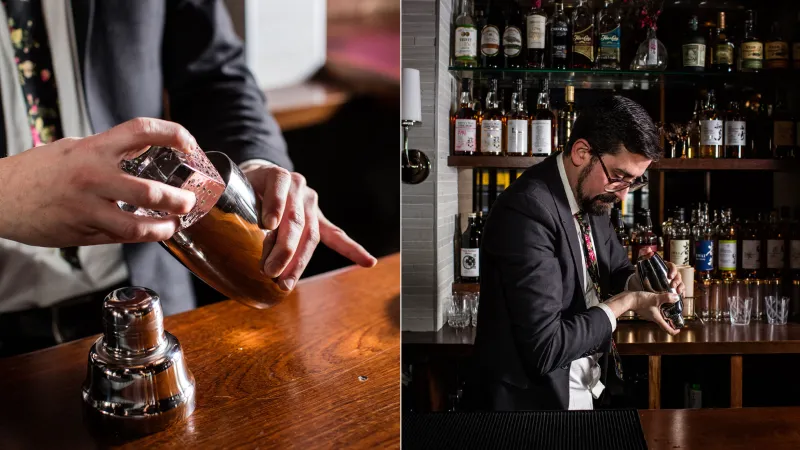
When you go to a bar, someone else is doing the work. The ice is already made. The garnishes are prepped. The glassware is clean. If you order something you don't like, you can order something else without having invested 45 minutes in making it. The ambient noise, the other people, the energy of a room—these aren't nothing. They're a significant part of why people go out.
Replicating that at home requires either a lot of effort or a lot of guests willing to participate in the illusion. Most home bars eventually become a place where the owner drinks alone and occasionally makes an Old Fashioned for company. That's not a bad thing, but it's not the same thing.
There's also the learning curve. A good bartender has made thousands of cocktails. They know when a drink is off before they serve it. They've calibrated their pours without a jigger. That expertise took years to develop, and it shows in the glass. Your first hundred cocktails at home will be fine. Maybe good. Rarely great.
So Why Bother Going Out?
All of this is a long way of saying that bar pricing is rational, not predatory. You're paying for expertise, infrastructure, atmosphere, and convenience. The markup is the price of admission to a place that's done all the work so you don't have to.
That doesn't mean you shouldn't build a home bar. Having good whiskey at home is one of life's simpler pleasures. But go in with realistic expectations. You're not going to replicate the tavern experience in your living room, and you're probably not going to save as much money as you think.
The honest math says: drink at home when you want convenience and quiet. Go out when you want the full experience. And stop doing the bottle math in your head while you're sitting at the bar. It's not helping you enjoy the drink.