Why Your Home Cocktails Taste Like Disappointment (And the Fixes That Actually Work)
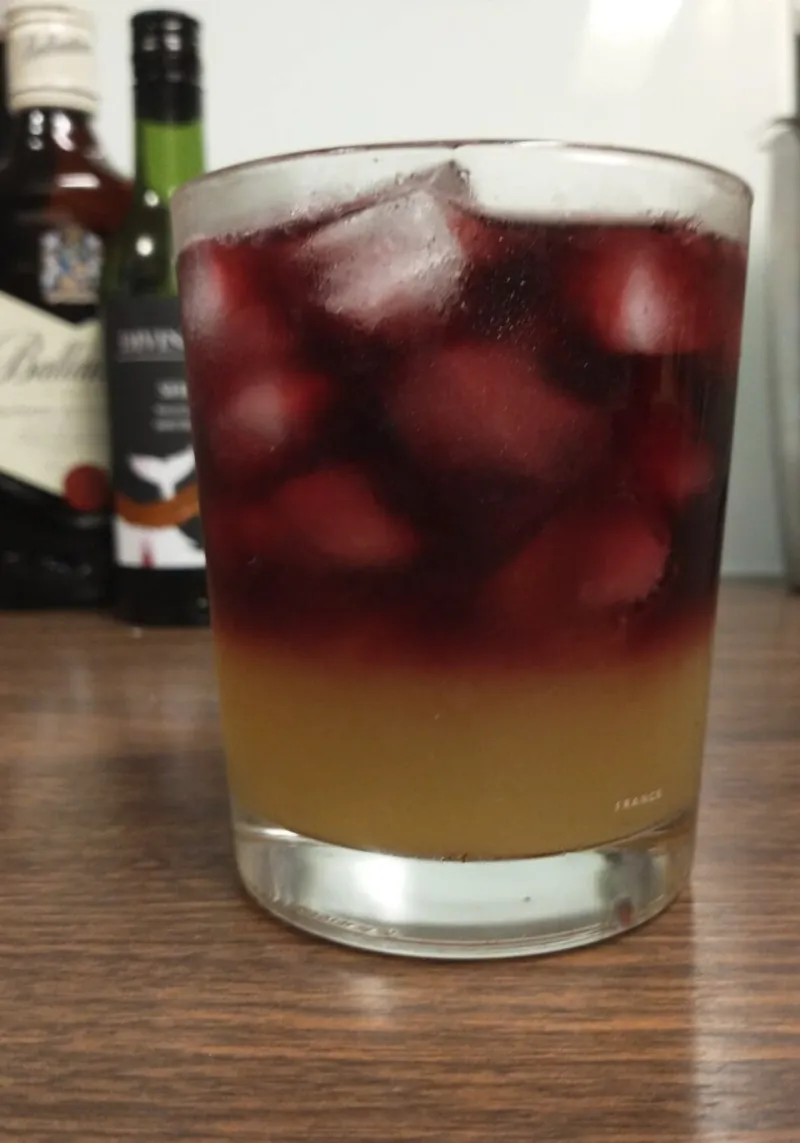
Photo: Corvus, CC BY-SA 4.0, via Wikimedia Commons
You've been there. You buy a respectable bottle of bourbon, pull up a recipe on your phone, measure everything out, and pour yourself what should be a solid Old Fashioned or a halfway-decent whiskey sour. Then you taste it.
It's fine. Just... fine. Flat, somehow. A little thin. Not bad, exactly, but not what you were hoping for. Nothing like the version you had at a good bar last Saturday.
Here's the thing: you probably didn't do anything wrong with the recipe. The problem is almost certainly somewhere else—in your ice, your technique, your glass, or the specific bottle you grabbed. These are fixable problems. All of them. And you don't need a mixology certification or a $400 ice mold to fix them.
The Ice Problem Is Bigger Than You Think
Ice is the single most underestimated variable in home cocktail-making, and it's responsible for more disappointing drinks than any other factor.
The ice in your freezer—those small, cloudy cubes from the tray or the dispenser in the door—is made fast. Fast freezing traps air bubbles and minerals in the water, which is why they're cloudy. That trapped air means the cubes melt faster. Faster melt means more dilution. More dilution means your drink gets watery before you finish it, and the balance the recipe was built around falls apart.
Bars that care about their cocktails use large-format, slow-frozen ice. Those big, clear cubes you see in a well-made Old Fashioned aren't just for aesthetics—they melt slower, dilute at a controlled rate, and keep the drink cold without drowning it. You can replicate this at home with a simple silicone large-cube tray (a 2-inch mold is the standard) filled with filtered water and left in the freezer for 24 hours. It's a $10 fix that immediately improves almost every spirit-forward cocktail you make.
For shaken drinks, the size matters less—you're deliberately chilling and diluting in the shaker—but using fresh ice (not ice that's been sitting in your freezer absorbing the smell of last month's leftovers) still makes a real difference.
Dilution Is a Feature, Not a Bug
This is the part that surprises most people: a properly made cocktail is supposed to be diluted. Not watery—diluted. There's a difference, and understanding it changes how you approach every drink you make.
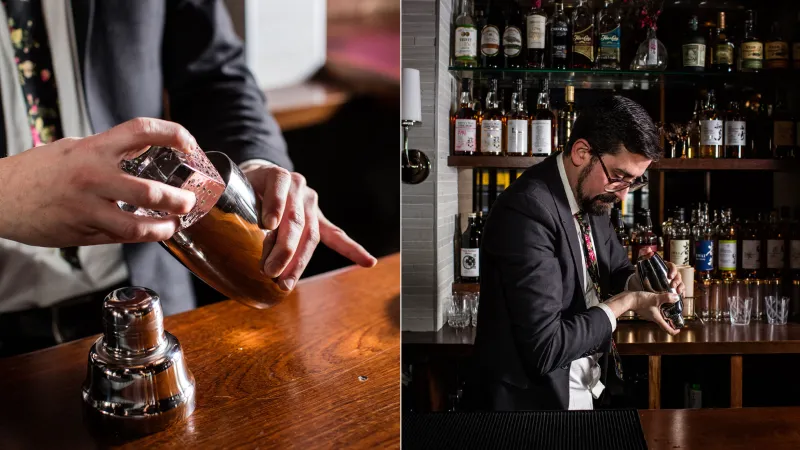
When a bartender stirs an Old Fashioned for 30 to 45 seconds, they're not just chilling the drink. They're incorporating a specific amount of water into the mix. That water opens up the whiskey, softens the alcohol burn, and integrates the flavors in a way that a neat pour never quite achieves. The same is true for shaken drinks—a properly shaken cocktail picks up somewhere between 25 and 30 percent dilution from the ice, and that's intentional.
Most home bartenders under-stir and under-shake because they're afraid of watering things down. The result is a cocktail that's too concentrated, too boozy, and harsh in a way that reads as "off" even if you can't identify exactly why.
The fix is simple: stir spirit-forward drinks like Manhattans and Old Fashioneds for at least 30 seconds with ice. Shake citrus cocktails hard for 12 to 15 seconds. Use a timer if you have to. Commit to the technique.
Your Spirit Selection Matters More Than the Label
Not every whiskey works equally well in every cocktail, and this isn't about price. It's about proof and flavor profile.
A 80-proof bourbon that tastes great neat will often disappear into a cocktail—the ice dilution and mixers overwhelm it, leaving you with something that tastes vaguely sweet but not particularly like whiskey. Cocktails generally work better with spirits in the 90 to 100 proof range because they hold up to dilution and still have presence in the final glass.
For a whiskey sour or a Manhattan, you want something with backbone. A high-rye bourbon or a straight rye whiskey brings spice and structure that survives the shaking process. A heavily sweet, low-proof whiskey gets lost. This isn't a knock on those bottles—it's just a matter of matching the tool to the job.
The same logic applies to your mixers. Bottled lemon juice from the grocery store is not the same as fresh-squeezed lemon juice. It's acidic in a flat, one-dimensional way that fresh citrus isn't. Fresh juice has volatile aromatic compounds that lift the whole drink. If you're making anything with citrus and you're using bottled juice, that's almost certainly why your sours and fizzes taste dull. Squeeze the lemon. It takes 30 seconds.
Ratios: The Recipe Isn't Always Right
Here's something the internet doesn't tell you: a lot of cocktail recipes online are written for a general audience and default to sweeter, softer builds. The 2-1-1 whiskey sour (two ounces spirit, one ounce lemon, one ounce simple syrup) is a starting point, not a law. If your palate runs drier, pull the syrup back to three-quarters of an ounce. If you like more citrus punch, push the lemon up slightly.
Bartenders adjust ratios constantly based on the specific bottle they're using, the size of the lemon that day, and the preference of the person sitting in front of them. You should be doing the same thing at home. Taste as you go. Adjust. Make it yours.
Simple syrup is also worth making yourself rather than buying. Equal parts sugar dissolved in hot water, cooled, and stored in a jar in the fridge. It takes five minutes, lasts for weeks, and tastes cleaner than most commercial syrups. If you want to get a little fancier, try a 2:1 ratio (two parts sugar to one part water) for a richer, more viscous syrup that integrates better into stirred drinks.
Glassware: More Than Just Presentation
The right glass isn't pretentious—it's functional. A rocks glass (also called a lowball or Old Fashioned glass) is wide enough to accommodate large ice and lets you get your nose into the drink, which is a significant part of how you taste it. Pouring a spirit-forward cocktail into a tall glass with crushed ice changes the dilution rate, the temperature, and the drinking experience in ways that genuinely affect how it tastes.
You don't need a full bar's worth of glassware. A set of decent rocks glasses handles most whiskey cocktails. A coupe or a Nick and Nora glass covers your stirred-up cocktails like Manhattans. A standard pint glass works for highballs. That's three types of glass and you're covered for 90 percent of what you'd want to make at home.
Chill your glasses when you can. A quick rinse with cold water, or a few minutes in the freezer, makes a real difference in keeping a drink at the right temperature from first sip to last.
Put It Together
Better home cocktails don't require a bigger budget or a dedicated bar cart. They require attention to the details that actually matter: slow-melt ice, proper dilution technique, spirits with enough proof to hold their own, fresh citrus, and honest ratio adjustments based on your own taste.
The bar down the street makes better drinks than your kitchen because the bartenders have done all of this enough times that it's automatic. You can get there too—just not by following a recipe blindly and hoping for the best.
Fix the ice. Shake harder. Squeeze the lemon. The rest takes care of itself.