Gone But Not Forgotten: The Discontinued Whiskeys Worth Every Minute of the Hunt
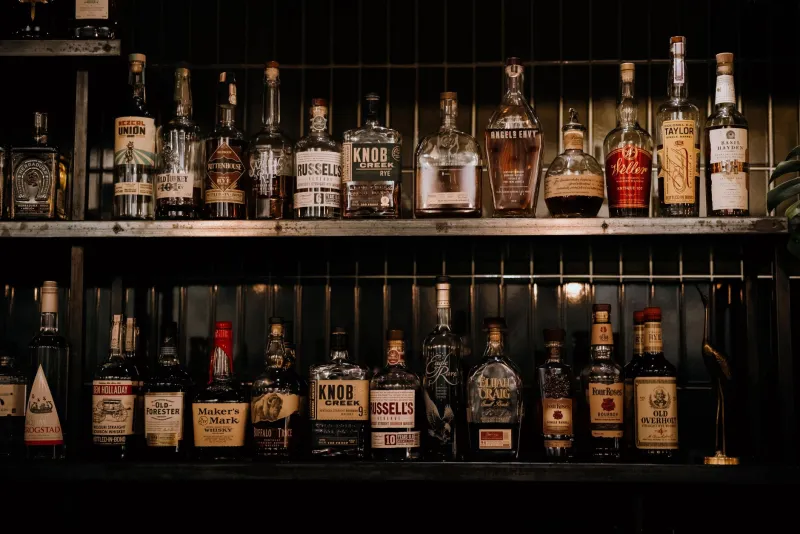
There's a particular kind of grief that whiskey drinkers know well. It's not the grief of finishing a bottle. It's the grief of walking into your favorite liquor store, scanning the shelf where that one bottle used to live, and finding a stranger in its place — or worse, nothing at all. A handwritten tag. A gap. A ghost.
Whiskey brands get discontinued for all kinds of reasons: distillery fires, corporate mergers, falling sales, rising costs, or just the cold math of a company deciding your favorite dram doesn't pencil out anymore. Whatever the reason, the result is the same. You're left chasing something you can't easily replace.
Let's talk about some of the most mourned bottles in American whiskey culture, why they disappeared, and what it actually means if you stumble across one at an estate sale, a dusty liquor store in the middle of nowhere, or the back shelf of a bar that hasn't updated its inventory since 2009.
Stitzel-Weller and the Myth of the Old Bottle
If you've spent any time in serious whiskey circles, you've heard the name Stitzel-Weller spoken the way people talk about a musician who died young. The Louisville distillery closed in 1992, but its legacy lives on through the bourbon it produced — most famously the original Pappy Van Winkle expressions, Old Fitzgerald, and Rebel Yell, back when those names meant something specific about where the liquid came from.
The distillery itself is gone, absorbed and eventually shuttered by what became Diageo. What you'll find today under those old labels is made elsewhere, by different hands, with different grain bills. That's not necessarily a bad thing — some of those modern expressions are genuinely good. But they're not the same thing. If you find a pre-1992 bottle of Old Fitzgerald with a Stitzel-Weller tax strip on the bottom, you've found something real. Just be prepared to pay for it, and be prepared for the possibility that age has not been kind to it. Old whiskey stored poorly is still just old whiskey stored poorly.
Michter's: The Name That Came Back From the Dead
Here's where it gets complicated. The original Michter's distillery in Schaefferstown, Pennsylvania, closed in 1989. It was the oldest operating distillery in America at the time, and its closure felt like losing a national landmark. The whiskey it made — particularly its rye and sour mash expressions — had a devoted following.
Then the name got bought, resurrected, and turned into a premium Louisville brand that bears almost no connection to the original operation beyond the label. The modern Michter's is a legitimately solid whiskey. But it's not the same whiskey. If someone is selling you a bottle and leaning hard on the distillery's Pennsylvania heritage, ask some pointed questions. The liquid in most bottles bearing that name today has nothing to do with Schaefferstown.
If you ever find an actual pre-closure Michter's bottle — the old pot still whiskey in particular — it's worth serious consideration. Just know what you're buying and who you're buying it from.
Popcorn Sutton's Tennessee White Whiskey
Marvin "Popcorn" Sutton was an Appalachian moonshiner who became something of a folk legend before his death in 2009. His legacy got commercialized in a way that would have probably made him furious, but the original small-batch white whiskey that bore his name had a rawness and character that the sanitized versions that followed couldn't quite replicate.
This one isn't about finding an old bottle. It's about understanding that sometimes a person is the product, and when they're gone, what remains is just branding. Worth knowing.
How to Actually Hunt Dusty Bottles
If you're serious about finding discontinued whiskey, here's the practical reality of how it works.
Independent liquor stores are your best bet. Not the chains. The weird, family-run places in small towns that look like they haven't rearranged their shelves since the Clinton administration. These are the places where a bottle of discontinued bourbon might be sitting right next to a display of plastic flasks, priced at what it cost in 1998 because nobody's thought to look it up.
Estate sales are underrated. People who collected whiskey often did so quietly and without fully understanding what they had. A bottle that looks unremarkable to a family clearing out a house might be significant to someone who knows what to look for.
Know your tax strips. Bottles produced before 1985 will have a federal strip stamp over the cap. That's a useful starting point for dating a bottle. It doesn't guarantee quality, but it tells you something about when it was made.
Check the fill level. A bottle that's been stored improperly or has been open will have evaporation loss. The lower the fill, the higher the risk that what's inside has oxidized or worse. A bottle that's been sealed and stored correctly can age gracefully. One that's been sitting in a hot garage for thirty years might taste like regret.
What You're Actually Tasting When You Find One
This is the part nobody wants to say out loud: old whiskey doesn't always taste better. Sometimes it tastes exactly like what you hoped for — a window into a different era of American distilling, with flavor profiles that modern production has moved away from. Sometimes it tastes like a science experiment gone wrong.
The variables are enormous. Storage temperature, light exposure, whether the cork dried out, how the bottle was handled over the decades. You can do everything right and still open a bottle that's past its prime.
But when it works? When you crack open something that was made before the industry consolidated, before efficiency became the primary virtue, before marketing budgets started driving production decisions? That's something worth experiencing at least once.
The Closest Current Alternatives
For those who'd rather drink tonight than spend six months hunting, here are a few suggestions that scratch similar itches:
- For old-school wheated bourbon character: Larceny Barrel Proof or Maker's Mark Cask Strength get you into the right neighborhood.
- For pre-revival rye character: Rittenhouse Bottled-in-Bond is criminally underpriced and genuinely excellent.
- For that rough-edged, unpolished quality of older American whiskey: Look at some of the craft distilleries doing honest work — Copper Fox, Corsair, and a handful of others are making whiskey that feels like it comes from somewhere real.
Worth the Chase?
Honestly? Sometimes. The hunt itself is part of the experience — the weird liquor stores, the conversations with old-timers who remember when a bottle cost twelve dollars, the occasional genuine find that makes the whole thing worthwhile.
Just go in with realistic expectations. You're looking for a piece of history, not a guaranteed transcendent experience. Some of those old bottles will exceed every expectation. Some will remind you that nostalgia is a hell of a drug.
Either way, you'll have a story. And at the end of the day, that's what this whole thing is about.