From Swill to Sipping: What It Means When Your Old Favorite Tastes Like a Mistake
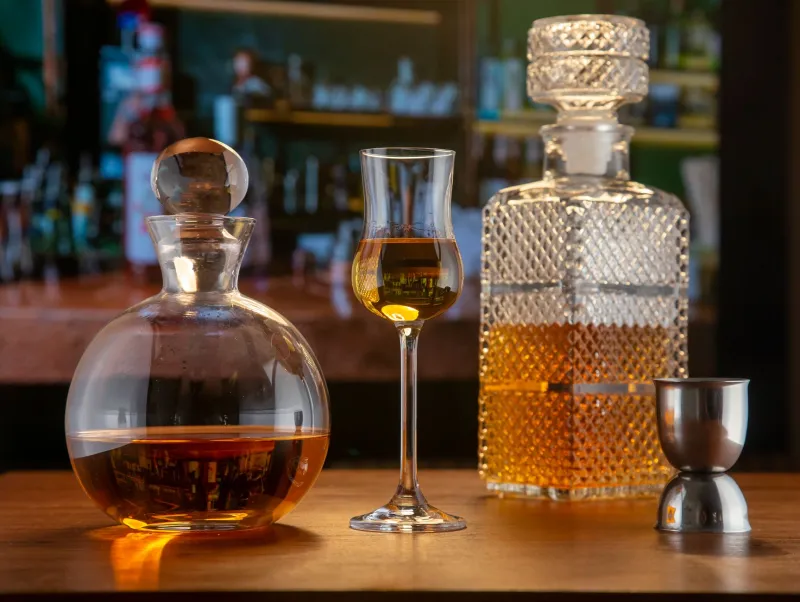
Somewhere in your past, there's a bottle that started it all. Maybe it was a handle of Jim Beam you split with friends in a parking lot before a concert. Maybe it was a mid-shelf Tennessee whiskey that felt like a big deal when you first ordered it at a bar. Whatever it was, you remember it fondly—right up until the moment you poured a glass last month and thought, this tastes like furniture polish and regret.
Welcome to palate evolution. It's uncomfortable, occasionally humbling, and honestly one of the best things that can happen to you as a whiskey drinker.
The Gateway Bottle Problem
Every whiskey drinker has a gateway. Something approachable, probably a little sweet, maybe a touch smoky, that opened the door to a world you hadn't explored before. These bottles do an important job. They're the reason you're sitting here reading a whiskey article instead of reaching for a light beer out of habit.
But gateway whiskeys are designed to be accessible, not aspirational. They're built to appeal to a wide audience, which often means dialing back complexity in favor of sweetness and smoothness. That's not a knock on them—it's their purpose. The problem only shows up when you've spent a year or two genuinely paying attention to what's in your glass, and then you go back expecting the same magic.
It's not there. And weirdly, that's a milestone worth celebrating.
What's Actually Happening in Your Mouth
Taste isn't fixed. Your palate is a living, trainable thing, and every glass of whiskey you've sipped with any real attention has been quietly rewiring your preferences. You've been building a mental library of flavors—vanilla, caramel, oak, dried fruit, leather, smoke, grain—without necessarily realizing it.
The science behind this is pretty straightforward. Repeated exposure to complex flavors increases your ability to detect and differentiate them. The same way a chef can identify individual spices in a dish that tastes like a single flavor to an untrained palate, experienced whiskey drinkers start picking apart things that used to blend together into a vague pleasant warmth.
Once you've spent time with high-rye bourbons, single malt Scotches, or well-aged American whiskeys, going back to something built primarily around sweetness and simplicity can feel like watching a movie you loved at twelve. You can see all the seams.
The Psychology of Outgrowing a Drink
There's an emotional layer to this that doesn't get talked about enough. People get weirdly defensive about their early whiskey choices. Maybe because admitting you've moved on feels like you're calling your past self unsophisticated. Or maybe because the original bottle is tied up in a memory—a road trip, a first apartment, a group of friends you don't see as often anymore.
Here's the thing: nostalgia is a flavor all its own. Sometimes you're not actually tasting the whiskey. You're tasting the context around it. That's not a flaw in the experience. It's just not the same as evaluating the liquid on its merits.
Outgrowing a drink doesn't mean you were wrong to love it. It means you paid attention long enough to develop an opinion. That's the whole game.
The Bottles That Tend to Age Poorly (On Your Palate)
Without throwing specific brands under the bus, there are categories of whiskey that tend to mark the beginning of someone's journey more than the middle or end.
Highly sweetened blended American whiskeys—the kind that drink almost like a flavored spirit—are common early favorites that often disappoint later. Same with entry-level flavored whiskeys, which lean heavily on added sweetness to mask the rougher edges of young distillate. There's nothing wrong with enjoying them. But once you've spent time with something that gets its character from barrel aging and grain selection rather than additives, the difference becomes hard to un-taste.
On the flip side, some bottles that seem intimidating early on—peated Scotches, high-proof straight ryes, unfiltered bourbons with real tannic grip—become deeply satisfying once your palate has the vocabulary to meet them where they are.
So What Do You Do With the Old Bottle?
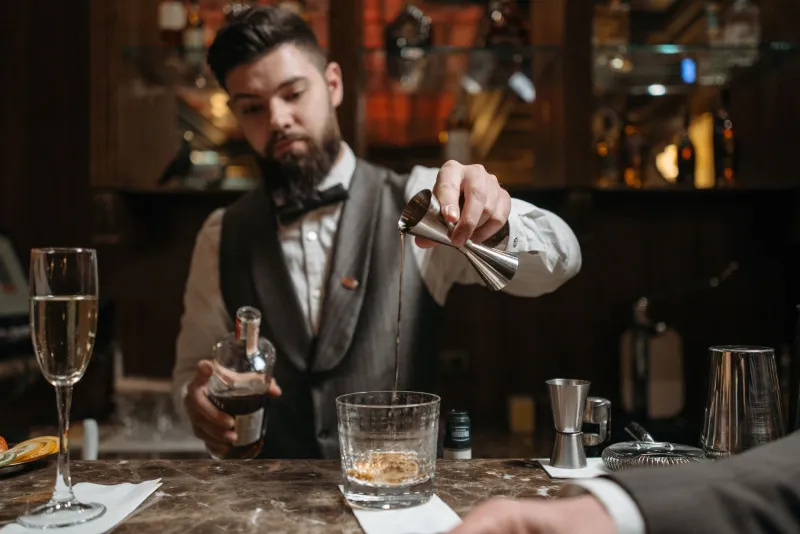
First option: use it for cocktails. A whiskey that feels thin or overly sweet on its own can still do excellent work in a highball or a punch. No shame in that. Good bartenders repurpose spirits based on function all the time.
Second option: share it with someone who's earlier in their journey. There's something genuinely satisfying about handing a bottle to a friend who's just starting to explore whiskey and watching it land the way it once landed for you. The magic isn't gone—it just belongs to someone else right now.
Third option: revisit it honestly, without nostalgia goggles. Sometimes a bottle you dismissed is actually doing something interesting that you missed the first time around. Palate evolution goes in multiple directions. You might find depth you couldn't detect before, or you might confirm that it really just isn't for you anymore. Either answer is useful.
The Real Flex Isn't the Bottle in Your Hand
There's a certain kind of whiskey drinker who makes a performance out of what they've moved on from. Loud about their journey, dismissive of anyone still drinking what they used to drink. That's not sophistication—that's insecurity with better glassware.
The actual mark of a developed palate isn't contempt for simpler whiskeys. It's the ability to articulate why something works or doesn't work for you specifically, at this point in your drinking life, without needing anyone else to agree. It's knowing that preferences are personal and that the person at the end of the bar who loves the bottle you've outgrown isn't wrong—they're just somewhere different on the same road.
Evolution isn't a destination. You're going to feel this same mild disappointment again someday about something you love right now. That's not a crisis. That's the whole point of paying attention.
Pour Something New
If your old standby isn't doing it for you anymore, take that as an invitation rather than a loss. Ask your bartender what's been interesting them lately. Try a style you've been putting off—maybe a wheated bourbon if you've been living in high-rye territory, or a blended Scotch if you've been all-in on American whiskey.
The bottle that disappoints you today is proof that you've been doing the work. That's worth something. Raise a glass to it—just maybe not of it.