Why Some Regulars Drink Better Than You: The Unwritten Rules Behind the Bar
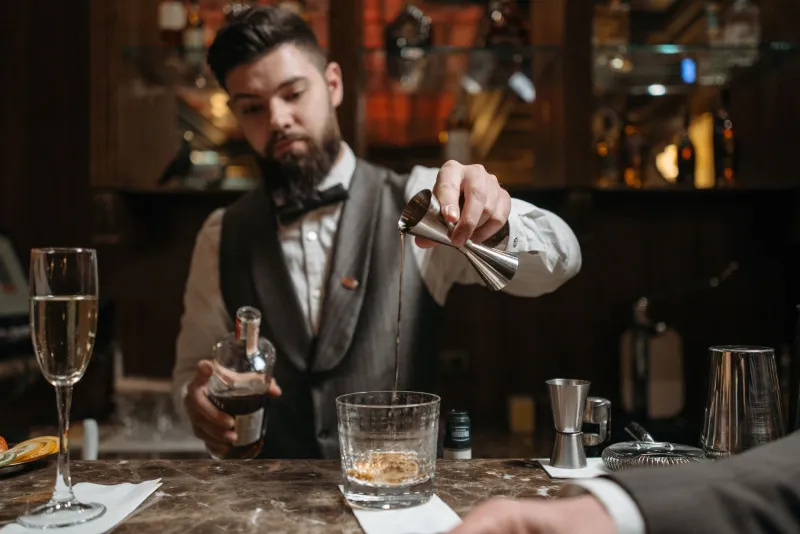
You've seen it happen. Two people sitting at the same bar, ordering roughly the same drink. One of them gets a generous pour, a little side commentary about why the bartender picked that particular bottle, maybe even a taste of something that isn't on the menu yet. The other gets a standard measure, a polite nod, and a receipt.
Same bar. Same night. Different experience.
This isn't a conspiracy. It's not even really favoritism in the ugly sense of the word. It's the natural result of a system that every bartender runs — consciously or not — every single shift. And once you understand how it works, you'll never look at a bar rail the same way again.
The Bar Is a Social Ecosystem, Not a Vending Machine
Let's start with a baseline truth that a lot of drinkers don't want to hear: bartenders are people, not dispensers. They remember faces, track behaviors, and form opinions about the folks sitting in front of them — usually within the first two visits.
Veteran bartenders across styles of establishments — dive bars, craft cocktail spots, whiskey-forward taverns, neighborhood pubs — will tell you the same thing when you press them on it. They're not trying to play favorites. But they're also not pretending they don't notice who tips well, who treats them like a human being, and who actually listens when they make a suggestion.
The hierarchy that develops isn't a formal list posted in the back office. It's organic, built drink by drink, visit by visit. And the people at the top of it didn't get there by spending the most money.
What Actually Earns You the Good Stuff
Consistency beats flash every time. Showing up regularly — even just once or twice a week — does more for your standing than dropping a hundred bucks on a single visit. Bartenders value predictability. A familiar face means they can anticipate your preferences, which makes their job easier and your experience better. It's a simple exchange, but it compounds fast.
Tipping like you mean it. This one isn't subtle, and pretending otherwise would be dishonest. A consistent, fair tip — not just on big tabs but on simple orders too — signals that you respect the work. It doesn't buy friendship, but it does buy attention. There's a difference between the person who tips 20% on a $12 drink and the person who tips $1 on a $14 cocktail. Bartenders track that difference, even when they don't mean to.
Asking real questions. There's a specific kind of customer who asks a bartender what they would drink, then actually listens to the answer — and orders it. That person gets treated differently than the one who asks for a recommendation and then argues with it. Curiosity signals that you're worth investing in. Bartenders who care about their craft want someone to geek out with, and if you show up as that person, you'll get the honest tour of the back shelf instead of the rehearsed pitch.
Not being a problem. This sounds obvious, but it covers a wide range of behaviors. Not snapping your fingers. Not waving your card around. Not narrating your drink order like you're grading a competition pour. Not treating a busy Friday night like your personal tasting session. Being low-maintenance — especially when the bar is slammed — earns serious goodwill. Bartenders remember who made their night harder and who made it easier.
What Gets You Quietly Deprioritized
On the flip side, certain behaviors push you down the list without you ever knowing it happened.
The chronic complainer — the one who sends back drinks, questions prices, or makes comments about pour size — creates friction. Even if they're technically right sometimes, they've labeled themselves as someone who requires extra management. That's mental overhead, and it costs them.
The over-familiar newcomer is another type. This is the person who walks in twice, decides they're a regular, and starts acting like they've got a reserved seat. Regulars earn their status; they don't announce it. Trying to shortcut the process by acting like the rules don't apply to you is one of the fastest ways to get quietly sorted to the bottom of the priority stack.
And then there's the ghost — someone who comes in, drinks, and leaves without making any real human contact. Not rude, not unpleasant, just invisible. They'll get served fine, but they'll never get the off-menu pour or the honest word about what's worth trying. You can't build standing without building a relationship, even a small one.
The Limited Release Situation
If you want a window into how this hierarchy plays out in real terms, watch what happens when a bar gets a limited whiskey allocation — a small-batch release, a single barrel pick, something that only came in six bottles. Who finds out first? Who gets offered a taste before it hits the menu? Who gets a reserved pour held back?
It's not random, and it's not just the big spenders. It's the people the bartender trusts to appreciate it. That usually means someone who's shown genuine interest in the category, who's asked good questions, who's taken recommendations seriously, and who's treated the bartender like a professional rather than a prop.
That's the inner circle, and getting there has almost nothing to do with how much you spend per visit.
Playing the Long Game
The thing about this system is that it rewards patience and authenticity more than strategy. You can't really fake your way into a bartender's good graces over the long term. The people who try — who perform enthusiasm or manufacture regularity without actually showing up — tend to get found out. Bartenders read people for a living. It's part of the job.
What works is just being genuinely present. Tip fairly. Ask honest questions. Say thank you like you mean it. Come back. Learn the bartender's name. Let them surprise you sometimes.
Do that consistently, and at some point you'll notice that your pours land a little heavier, that you get a quiet word about something new before anyone else does, that the recommendation you get is the real one rather than the easy one.
That's the hierarchy at work — and now you know exactly how to climb it.