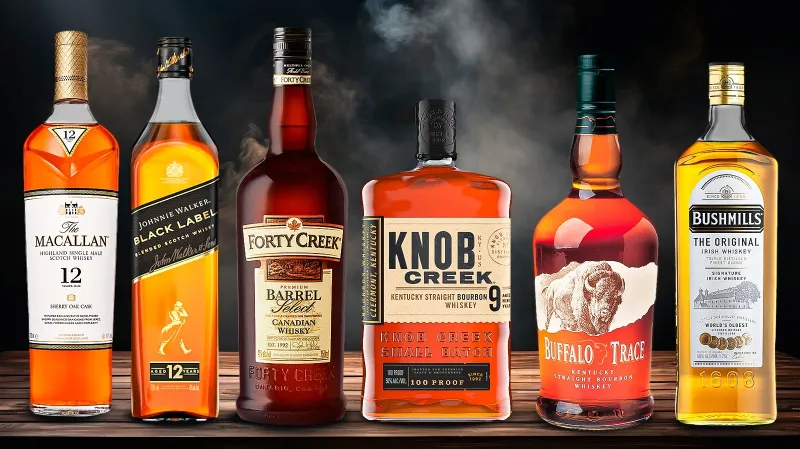
Rocks, Neat, or a Cocktail: What Your Whiskey Order Says About You (According to Bartenders)
Photo: bartender pouring whiskey neat at bar counter, via classiccountrymusic.com
Walk into any decent bar and order a whiskey. Before the glass even hits the rail, the person behind the stick has already sized you up. Not in a judgmental way—well, maybe a little—but in the way that experienced bartenders read every customer. Your order is a kind of shorthand. It tells them your comfort level, your expectations, and sometimes your ego.
None of this is a secret. Bartenders talk. And the neat-versus-rocks-versus-cocktail conversation is one they never get tired of having.
The Neat Pour and What It Actually Means
Ordering whiskey neat—straight from the bottle into the glass, nothing added, nothing diluted—carries a certain weight at a bar. It signals that you want to taste the whiskey as the distiller intended. No interference. No ice melt softening the edges. Just the spirit doing its thing.
Bartenders generally respect this order, but they'll also quietly note whether the person asking for it actually seems to enjoy what they're drinking. There's a difference between someone who sips a neat pour with genuine curiosity and someone who orders it because they think it makes them look serious. The former is a pleasure to serve. The latter tends to grimace and reach for the water back before the second sip.
Here's the honest truth about drinking neat: it's not always the best way to experience every whiskey. High-proof bourbons—your cask-strength releases hovering around 120 proof—can actually benefit from a few drops of water. A little H2O opens up aromatic compounds that get suppressed by the alcohol. This isn't a sign of weakness; it's chemistry. Master blenders and distillery brand ambassadors do it constantly.
Ordering neat is a perfectly valid choice. Just make sure you're doing it because you want to, not because you're performing for someone.
The Ice Argument: Why Rocks Still Gets a Bad Rap
Ask for your whiskey on the rocks at a craft cocktail bar and you might catch a subtle flinch. Order it that way with a $12 well bourbon at a neighborhood tavern and nobody bats an eye. The difference isn't the ice—it's the whiskey.
Bartenders who push back on rocks orders are usually reacting to one specific scenario: someone ordering a genuinely interesting, carefully made whiskey and then immediately diluting and chilling it into submission. A 15-year single malt Scotch poured over standard bar ice that's been sitting in a well for three hours? That's a rough watch. The whiskey you just paid a premium for is now tasting like cold grain water with a hint of the previous customer's gin.
But here's where the gatekeeping falls apart. If the whiskey is a standard well pour, a house bourbon, or something blended specifically for cocktail use, ice is completely fine. More than fine—it's appropriate. Ice slows your drinking pace, softens alcohol heat, and makes certain sweeter, corn-forward bourbons genuinely more enjoyable. Tennessee whiskey over a big cube with a splash of water? That's not a crime. That's a Tuesday.
The real bartender philosophy, when you strip away the attitude, is simply this: match your serving method to the quality and character of the pour. A $9 house bourbon on the rocks is a good drink. A $22 allocated single barrel on the rocks is a missed opportunity.
Cocktails and the Whiskey Snob Problem
Nothing triggers a whiskey purist faster than watching someone order a premium spirit and then ask for it in a cocktail. And yet, some of the most respected cocktail programs in the country are built around exactly that premise.
The Old Fashioned is the classic battlefield. Made correctly—whiskey, sugar, bitters, expressed orange peel—it's one of the most elegant drinks in existence. It enhances a good bourbon without burying it. The whiskey is still the star; everything else is supporting cast. A well-made Manhattan with a quality rye does the same thing.
Where bartenders genuinely cringe is when someone orders a rare or expensive whiskey into a heavily mixed drink that would taste identical with a bottom-shelf pour. Pouring a single barrel, small-batch bourbon into a whiskey sour loaded with bottled sweet-and-sour mix isn't appreciation—it's expensive waste. The complexity you paid for vanishes the second it hits the citric acid.
The practical rule: use cocktail-forward whiskeys for cocktails. Use nuanced, aged expressions for neat or minimally modified pours. This isn't elitism. It's just using the right tool for the right job.
Why Context Is the Only Rule That Matters
Here's what actually separates a good bartender's judgment from plain old snobbery: context.
You're at a sports bar on a Sunday. Football's on. You've been on your feet all weekend. You order a Jameson and ginger ale. Nobody at a competent bar should give you a second look. That's a completely appropriate drink for that environment, that occasion, and that mood.
You're at a dedicated whiskey bar with 200 bottles on the shelf and a bartender who clearly cares deeply about what they're pouring. You ask for a 20-year expression in a highball with soda. Now the bartender has a legitimate reason to feel something. Not to lecture you—good service means giving people what they ask for—but the internal reaction is understandable.
The point is that there's no universal "right" way to drink whiskey. There's only the right way for the situation. A seasoned bartender knows this, which is why the best ones ask questions before they pour. What are you in the mood for? Have you had this one before? Do you want to taste it neat first?
That conversation is worth more than any rule about how whiskey should be consumed.
The Bottom Line
Bartenders judge your order because they care about what they're serving. The good ones aren't trying to embarrass you—they're trying to make sure you actually enjoy what's in your glass. That's the whole job.
Drink your whiskey however you want. But take ten seconds to think about whether your method matches the pour. Neat for something special. Ice for something casual. Cocktails for something that was built to be mixed. And if you're genuinely unsure, just ask the person behind the bar. They've tasted more whiskey than you have, and the good ones are happy to talk about it.
No judgment required. Just good whiskey.