Hooked Before the Second Round: The Science and Strategy Behind Why You Always Come Back
Let's get something straight before we pour the first one: the bar you love doesn't love you back. Not exactly. What it does — and does remarkably well — is make you feel like it does. That distinction is worth understanding, because once you see the machinery underneath the warmth, you start to appreciate just how sophisticated a well-run tavern actually is.
This isn't a cynical takedown. A good bar earning your loyalty through smart operations and genuine hospitality is a fair trade. You get comfort, community, and a solid pour. They get a customer who comes back every Thursday without needing a coupon. Everybody wins. But knowing how the game is played? That just makes you a smarter player.
The First Five Minutes Do More Work Than You Think
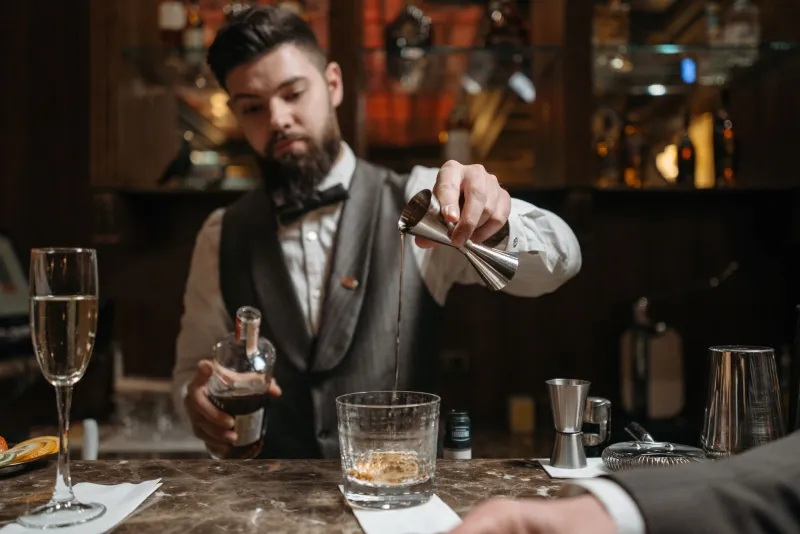
Walk into a bar you've never been to. Now walk into one where the bartender glances up, nods, and reaches for your glass before you've even sat down. The difference in how those two experiences feel is almost physical. That second scenario isn't just good service — it's a retention mechanism disguised as a greeting.
Bars that build loyal customer bases obsess over the opening sequence. Eye contact within thirty seconds of entry. A name used at least once per visit. A drink remembered from two weeks ago. These micro-interactions trigger the same neurological reward loop as being recognized by a friend. Your brain doesn't fully distinguish between the two, which is exactly the point.
Psychologists call it the "mere exposure effect" — the more familiar something feels, the more we like it. Bars exploit this constantly. Same barstools. Same background music at the same volume. Same lighting that makes everyone look slightly better than they do at noon. Familiarity is comfort, and comfort is what keeps the tab running.
The Open Tab Is a Masterpiece of Behavioral Engineering
Here's one of the oldest tricks in the business, and it works every single time: the open tab.
When you hand over your card at the start of the night, you've done something psychologically significant — you've mentally pre-spent the money. The pain of paying, which economists call "the pain of paying," gets front-loaded and then fades as the night progresses. Every subsequent drink feels like it costs you nothing, because the transaction is deferred. You're not handing over cash. You're just... having another one.
Studies on consumer behavior consistently show that people spend more when payment is decoupled from consumption. Credit cards do it. Apps do it. And bars figured it out long before any of those existed. The open tab isn't a convenience feature — it's a spending accelerator wrapped in hospitality.
Smart bars also train staff to check in at the natural rhythm of a drink finishing, not before. That timing isn't coincidental. Catching you right as your glass empties, when you're relaxed and mid-conversation, is statistically the best moment to get a yes on the next round.
Regulars Feel Like VIPs. That's the Product.
Here's something a lot of people don't fully reckon with: the "regular treatment" is itself a product that bars deliberately manufacture and deliver. The free appetizer on your birthday. The heavy pour on a slow Tuesday. The bartender who waves off a dollar when you're a few cents short. These gestures feel personal because they're meant to feel personal.
But they're also calculated. The cost of a comp drink is almost always less than the cost of acquiring a new customer. Hospitality industry math is brutal in this regard — a regular who comes in twice a week and spends forty bucks a visit is worth more than a hundred first-timers who never return. Every small investment in making that regular feel seen pays dividends that dwarf the cost of the gesture.
This doesn't mean the bartender doesn't actually like you. They probably do. The best bar relationships are genuinely mutual. But the system around those relationships — the comps policy, the upsell training, the loyalty program if there is one — is designed with margin in mind, not just warmth.
The Room Is Designed to Keep You There
Physical space in a bar is rarely accidental. Dim lighting slows people down — literally. Studies show that people eat and drink more slowly in lower light, which sounds counterproductive until you realize that slower consumption means longer stays, and longer stays mean more rounds. Bright, harsh lighting does the opposite. Fast food joints use it intentionally. Bars avoid it for the same reason.
Noise levels matter too. A bar that's loud enough to make conversation require leaning in creates intimacy. It also makes it harder to think clearly about how many drinks you've had, how late it's gotten, or whether you actually need that next whiskey. The environment does a quiet kind of work on your decision-making that you barely register.
Seating arrangements push people toward the bar itself rather than isolated tables, because bar seating creates incidental social contact. You end up talking to the person next to you. You feel like part of something. That feeling is worth a lot more than the drink you're holding.
The Whiskey Wall Is Telling You a Story
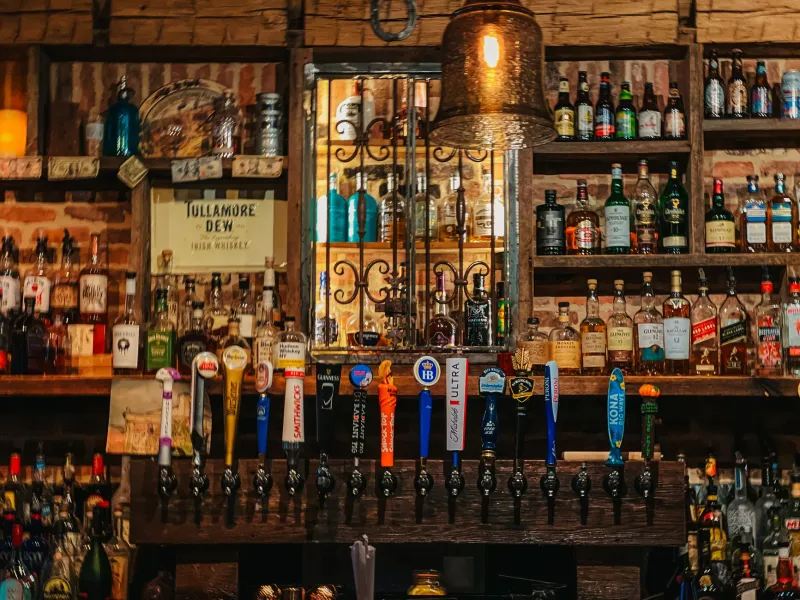
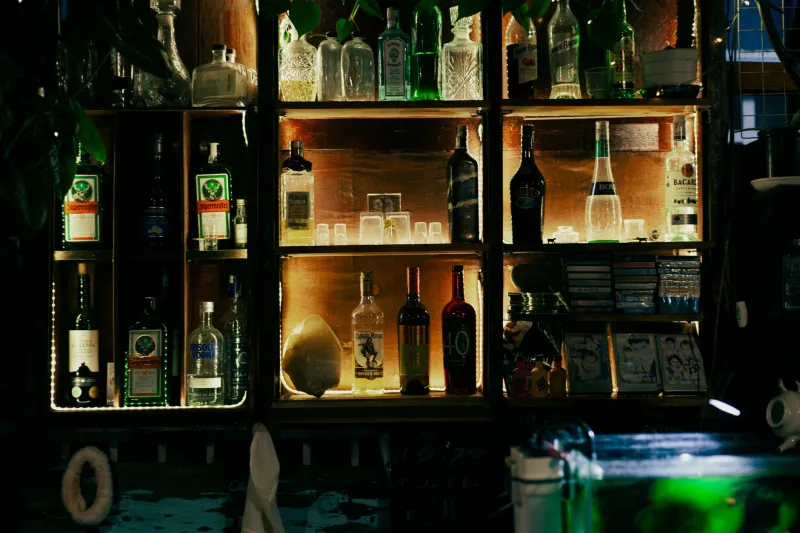
That back bar — all those bottles lit up like a stained glass window — is doing more than displaying inventory. It's communicating status, curation, and identity all at once. A well-stocked whiskey wall tells you this place takes it seriously. It tells you that you're somewhere worth being. It makes the $14 pour feel like a reasonable price for admission to something curated.
Bars know that most of those bottles won't move fast. Some of them are practically decorative. But the presence of a rare single malt next to the house pour elevates the entire shelf in your perception. It's called the "halo effect," and it applies to whiskey lineups the same way it applies to everything else. The expensive bottle makes the mid-shelf look better by association.
So Are You Being Played?
Not exactly. Or at least, not in a way that should make you angry.
The best bars in America earn their regulars honestly. They create real comfort, pour quality product, and build genuine community. The psychological mechanics running underneath all of that don't make the experience fake — they just make it intentional. There's a difference.
What you're paying for when you become a regular somewhere isn't just the bourbon in your glass. It's the feeling of being known. The relief of walking into a room where the social math is already solved. The low-stakes pleasure of a place that feels like yours.
That's worth something. The bar knows exactly what it's worth. And if you're being honest with yourself, sitting at your usual stool on a Wednesday night with your usual drink in hand — so do you.
Pay the tab. Come back Thursday. You were always going to.