The Bottle That Never Gets Poured: What Actually Sells at a Bar Versus What Just Looks Good on the Shelf
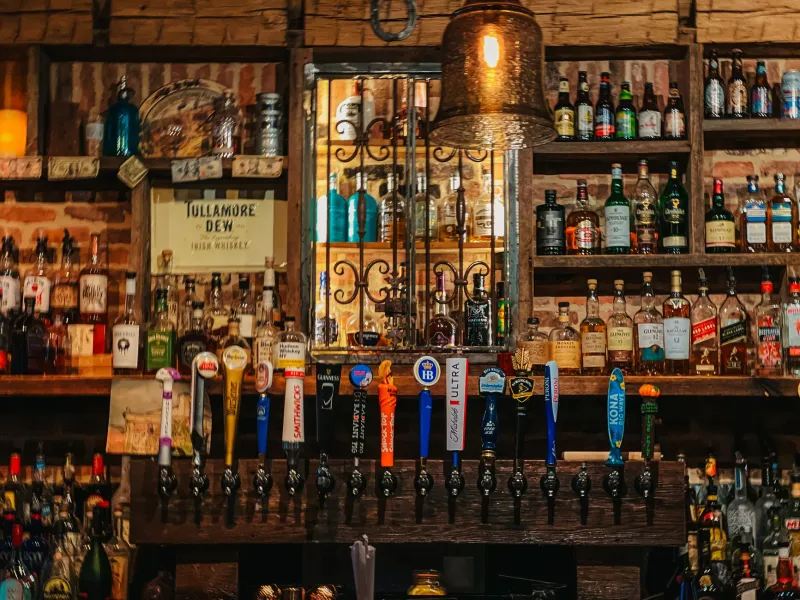
There's a bottle of something very fancy sitting behind the bar at a place near you. It's been there since October. Maybe longer. The label is gorgeous. The price tag is aggressive. And the bartender has wiped the dust off it exactly twice — once when it arrived, and once when a health inspector came through.
Meanwhile, the handle of mid-shelf bourbon two feet to the left? Gone every two weeks like clockwork.
This is the quiet economics of the American tavern, and it tells you more about how people actually drink than any industry report ever will.
The Back Bar Is Part Inventory, Part Theater
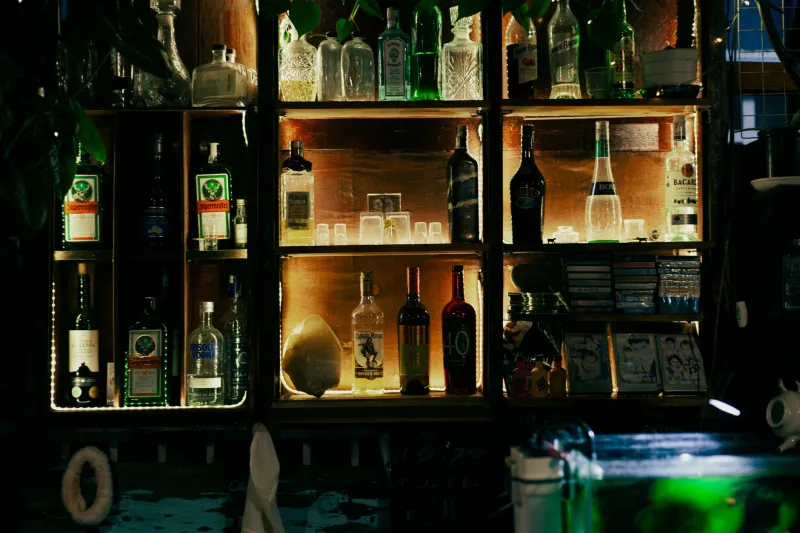
Walk into any decent bar in this country and you're looking at two very different things pretending to be one. Part of that back bar is a working inventory — bottles that move, generate revenue, and keep the lights on. The other part is set design. It's there to signal that this is a serious place with serious taste, the kind of establishment that stocks a 23-year Japanese single malt even if exactly nobody is ordering it on a Tuesday night in Akron.
Bar owners will tell you, usually off the record, that the ratio of working inventory to decorative inventory is something they think about constantly. "You've got maybe twelve to fifteen inches of prime real estate at eye level behind that bar," one Midwest tavern owner explained. "Every bottle sitting there that doesn't move is costing you money — not just in tied-up capital, but in the space something useful could be occupying."
And yet the fancy bottles stay. Because perception matters. Because a bar stocked with nothing but well-known mid-shelf brands looks like a gas station, not a destination.
What Actually Moves (And What Doesn't)
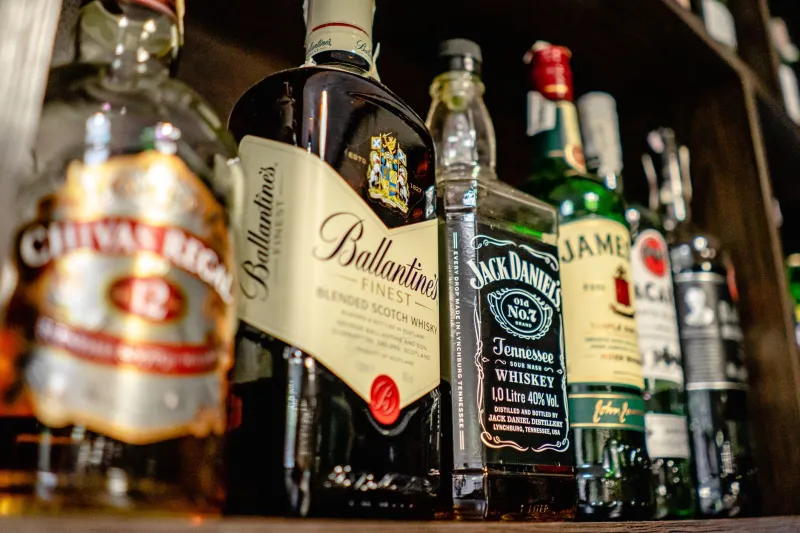
Let's be honest about the math. In a typical American bar — not a dedicated whiskey bar or a craft cocktail lounge, but an honest-to-goodness tavern — the top five selling spirits by pour volume are almost always the same. You've got your well bourbon, your well vodka, your house tequila for shots and margaritas, your Irish whiskey (increasingly, one specific brand that rhymes with Schlameson), and whatever domestic beer is on draft.
That's the engine. Everything else is either a modifier, a special occasion pour, or a prop.
The $90 rye that a sales rep talked the owner into buying? It moves maybe a bottle a month, if there's a whiskey-forward cocktail on the menu that calls for it. The allocated bourbon that cost a small fortune and required knowing a guy who knew a guy? It sells maybe a glass a week to the one regular who actually knows what it is. Everyone else looks at the price, raises an eyebrow, and orders something they recognize.
"People don't come to a bar to be educated," said one bar manager who has worked in the industry for over a decade. "They come to relax. The bottle that requires a three-sentence explanation before someone will order it is going to sit there for a while."
The Instagram Problem
Social media has made the decorative bottle situation significantly worse, and bar owners know it. A stunning back bar photograph — the kind with dramatic lighting and rows of amber bottles and maybe a hand-lettered cocktail menu in the frame — is worth something real in terms of marketing. People share those photos. They tag the location. They show up because the place looks like somewhere worth drinking.
So bars stock beautiful, expensive, visually interesting bottles specifically for the aesthetic value, knowing full well they'll barely be touched. It's a marketing budget disguised as inventory. A $200 bottle that generates 40 Instagram posts from happy customers has arguably earned its shelf space even if it never gets cracked open.
The problem is when that logic gets applied too liberally. When half the back bar is set dressing and the other half is doing all the work, you've got an inventory problem with a pretty face.
Why Cheap Pours Actually Keep the Lights On
Here's the part that surprises people who don't work in the industry: the margin on well spirits is dramatically better than the margin on premium pours, and volume makes it even more lopsided.
A bar might make a reasonable percentage on a glass of allocated bourbon at a high ticket price. But they'll make a smaller absolute dollar amount on that pour than they will on three or four well whiskey drinks at a third of the price — and those three or four drinks will be ordered in the time it takes to find one customer willing to pay premium pricing.
The well pour is a workhorse. It goes into cocktails, it gets ordered by people who just want a drink and not an experience, and it moves fast enough that the bar is never sitting on dead capital. "My well bourbon probably accounts for forty percent of my total spirit revenue," one Nashville bar owner said. "It's not glamorous. But it's the reason I can afford to have the interesting stuff on the shelf."
The interesting stuff, in other words, is subsidized by the boring stuff. The prestige bottles exist partly because the house pour is carrying enough weight to let the bar take a flyer on something that might move slowly.
When the Dust Gets Too Thick
Even the most patient bar owner eventually has to reckon with a bottle that simply isn't moving. The options are not glamorous. You can discount it, which works but signals something unflattering about the product. You can build a cocktail around it, which requires menu real estate and the hope that the cocktail takes off. You can pour it heavy at a tasting event and move it that way. Or you can keep waiting, which costs you money every day.
The bottles most likely to end up in this purgatory are the ones that got purchased on enthusiasm — a sales rep made a compelling case, or the owner tasted it at a trade show and loved it, or there was a moment of genuine excitement about a new distillery doing something interesting. All of that enthusiasm is real. The market just doesn't always agree.
What This Tells You as a Drinker
If you're the kind of person who actually wants to drink the interesting stuff, you have more leverage than you think. Walk into a good tavern, ask the bartender what's been sitting on the shelf for a while, and you'll often get a pour of something excellent at a price the bar is quietly motivated to move. They'd rather have the cash and the space than the decoration.
And if you're just looking to have a good night without overthinking it? The well pour that's keeping that place in business is probably better than you're giving it credit for. It's not there by accident. It's there because a lot of people who know what they're doing decided it was worth pouring.
Sometimes the bottle that never gets dusted off is the most honest thing in the room.