Pretty Bottles, Ugly Truth: The Whiskeys That Sold You a Story and Poured You a Letdown
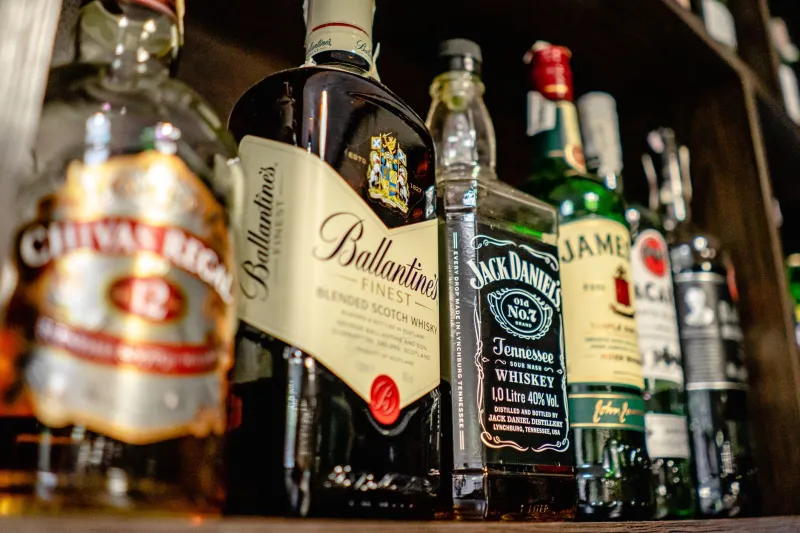
There's a graveyard behind every great bar. Not a literal one—though some of these bottles deserve a proper burial—but a mental list every experienced bartender keeps of whiskeys that looked like a sure thing and tasted like a broken promise. Beautiful packaging. Compelling backstory. Glowing press release. And then you pour it, take a sip, and realize the marketing team worked a lot harder than the distillery did.
We're not here to name-shame for sport. We're here to save you money and help you drink better. So let's talk about how whiskey hype gets manufactured, what the warning signs look like before you drop sixty, eighty, or a hundred-plus dollars on a bottle, and what bartenders actually recommend when a customer wants something worth the price of admission.
The Anatomy of a Hype Bottle
Before you can spot a dud, you need to understand how a whiskey becomes overhyped in the first place. It's rarely one thing. Usually it's a combination: a celebrity co-sign, a limited-release strategy that creates artificial scarcity, tasting notes written by someone who clearly got paid by the adjective, and a bottle design that belongs in a design museum rather than behind a bar.
Celebrity whiskeys are the obvious offenders. The formula is almost embarrassingly predictable. Famous person attaches their name to a spirit, the press goes wild, the shelf price reflects the fame rather than the liquid, and three months later it's sitting at the back of the bar collecting dust because nobody reordered it. Bartenders across the country have a version of this story. The names change. The disappointment doesn't.
Limited editions are trickier because sometimes they're genuinely special. But the limited-release playbook has been so thoroughly abused that the words "allocated" and "rare" have almost become red flags at this point. When a bottle is hard to get and expensive and the tasting notes describe "layers of ancient oak kissed by mountain air," someone is working very hard to justify a price tag that the liquid itself can't defend.
What Bartenders Actually Think
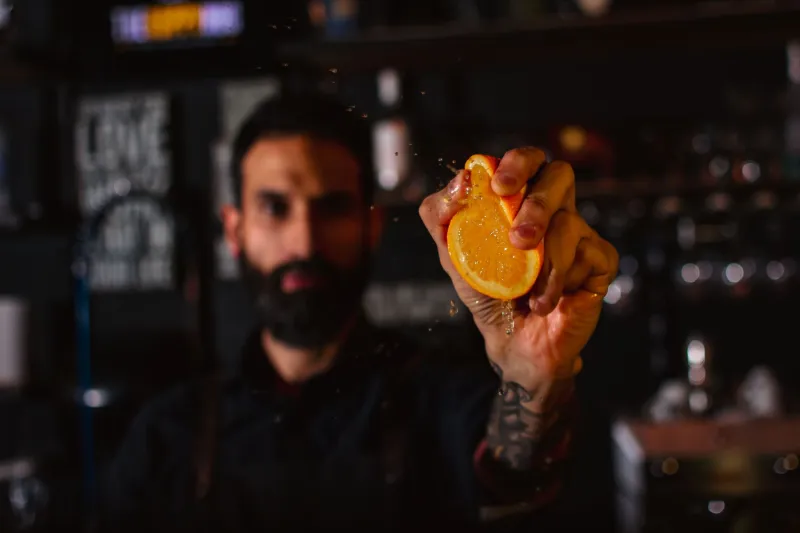
Ask a bartender off the clock what they really think about some of the most hyped whiskeys on the market, and you'll get an earful. The professional face they wear during service disappears fast.
The consistent complaints: thin mouthfeel masked by high proof, artificial sweetness that reads as "approachable" in marketing copy but tastes cloying in the glass, and finishes that are either nonexistent or weirdly astringent. A lot of these bottles hit hard on the nose—because nose is easy to engineer—and then fall completely apart on the palate.
"The nose writes checks the palate can't cash," is how one bartender put it. That's the most efficient summary of the overhyped whiskey problem you're going to find.
Another common frustration: tasting notes that describe flavors so obscure and specific that they create a kind of placebo effect. When you've read that a whiskey contains "hints of dried apricot, beeswax, and a distant memory of your grandmother's kitchen," you start tasting those things because you're looking for them. Strip that away and evaluate the whiskey blind, and suddenly it's just fine. Maybe good. Rarely worth what you paid.
The Warning Signs Before You Buy
You don't have to get burned to learn these lessons. Here's what to watch for when a bottle is trying to sell you something other than whiskey.
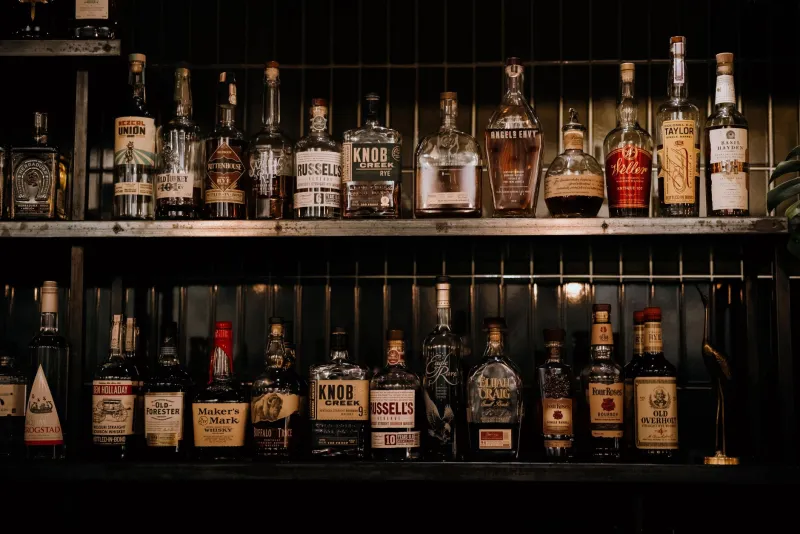
The bottle is doing too much work. If the packaging is genuinely stunning—heavy glass, wax seal, custom stopper, elaborate label—ask yourself why. Great whiskey doesn't need a theatrical container. The liquid is the point. When a brand invests heavily in presentation, it's sometimes because they know the contents need all the help they can get.
The story is longer than the age statement. Every whiskey has a story now. That's fine. But when a brand spends three paragraphs on the founder's great-great-grandfather's vision and zero words on how long the whiskey actually aged, that omission is telling you something. Age statements aren't everything, but transparency is. Brands that hide information are usually hiding it for a reason.
The tasting notes are written in a foreign language. Not literally, but functionally. If you need a culinary degree to understand what you're supposedly tasting, the notes were written to impress rather than inform. Good tasting notes are useful. They help you understand what you're drinking. Notes that read like experimental poetry are a performance, not a description.
The price jumped without explanation. Some whiskeys have quietly doubled in price over a few years with no change in the product. That's not quality improvement—that's a brand testing how much the market will tolerate. If you were drinking something at forty dollars two years ago and it's now eighty, and nobody's explaining why, the explanation is that someone figured out they could charge more.
What to Drink Instead
This is the part bartenders actually enjoy. Because for every overhyped bottle that disappoints, there are three or four alternatives that deliver more than they promise.
If you've been burned by celebrity whiskeys, explore craft distilleries that have been operating quietly for a decade or more without a famous face attached. Places like Corsair in Tennessee, Balcones in Texas, or High Wire in South Carolina are making genuinely interesting whiskey without the PR machinery.
If limited-edition hunting has left your wallet lighter and your palate unimpressed, go back to reliable standard expressions from producers who've earned their reputation the hard way. Buffalo Trace's core lineup, Elijah Craig Small Batch, Russell's Reserve—these are bottles that over-deliver at their price point because the brand isn't trying to impress you with scarcity.
And if you've been seduced by a beautiful bottle before, try buying ugly. Some of the most honest whiskeys on the market come in packaging that looks like it was designed in 1987 and never updated. That's not an accident. Brands that spend money on liquid instead of presentation tend to have their priorities straight.
The Bottom Line
The whiskey market is full of beautiful liars and plain-spoken truth-tellers. Learning to tell them apart isn't about being cynical—it's about being smart with your money and your palate.
Bartenders keep that mental graveyard not because they enjoy being disappointed, but because the disappointments taught them something. Every overhyped bottle is a data point. Every letdown sharpens the instinct for what's real.
Next time you're standing in front of a bottle that's working hard to get your attention, take a breath. Read past the label. Ask a bartender. And remember: the best whiskey you've ever had probably didn't need to try this hard to get you to pick it up.
The good stuff doesn't beg.