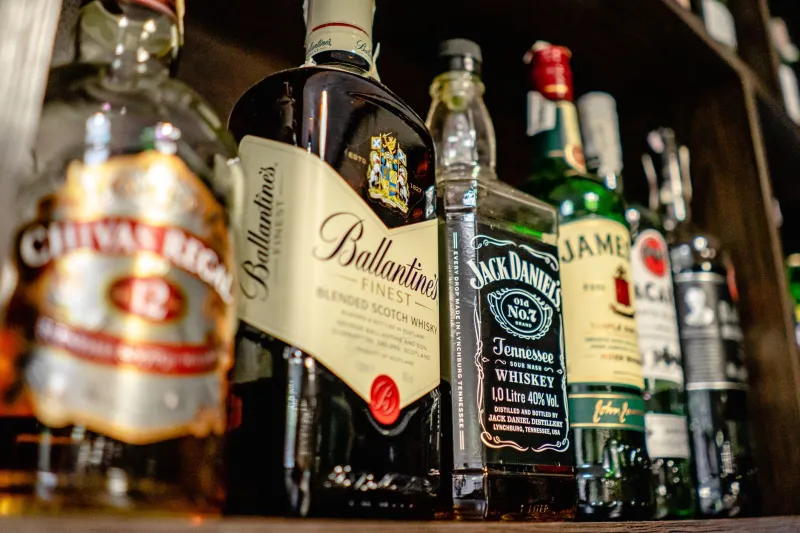
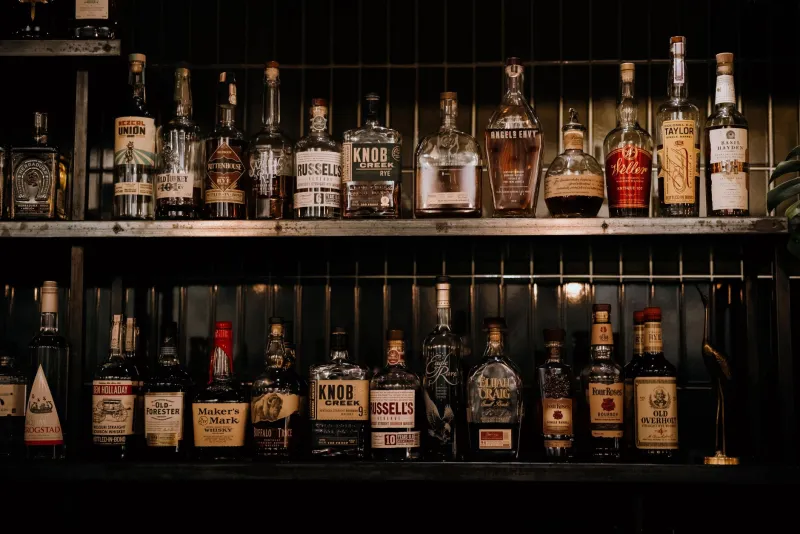
Shelf Ghosts: The Whiskeys That Had Everything Going for Them and Still Vanished
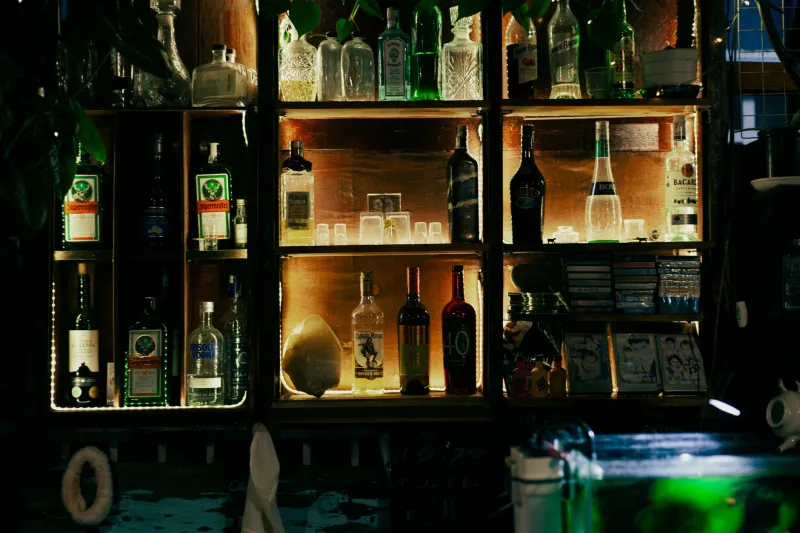
There's a corner of every well-stocked back bar that tells a story nobody wants to tell out loud. It's where the bottles go when the hype fades — the ones that arrived with press releases and premium price tags and left without so much as a goodbye. Bartenders know this corner well. They're the ones who quietly stopped recommending those bottles, who watched the inventory sit, who eventually made the call to pull them from the menu and pretend they were never there.
The whiskey world loves a success story. It's not as eager to talk about the failures. So let's talk about them.
The Setup: Why Some Whiskeys Look Unbeatable Before They Launch
When a new whiskey hits the market with serious distillery pedigree behind it, the assumption is that success is basically guaranteed. Name recognition matters. Established production chops matter. A marketing budget that buys shelf space at eye level and earns a feature in every major spirits publication definitely matters.
Add a compelling backstory — a master distiller with a resume, a mash bill with some novelty to it, maybe a limited release structure designed to manufacture urgency — and you've got a bottle that looks like a sure thing before a single consumer has cracked the seal.
Bartenders see these rollouts constantly. And they've learned to be skeptical.
"Every few months something comes in that's supposed to be the next big thing," says one bartender who's been behind the stick at a craft-focused tavern in Nashville for the better part of a decade. "You do the tasting, the rep is excited, the packaging looks great. And then you put it on the menu and... nothing. Guests don't ask for it. The ones who try it don't come back for a second pour."
That gap — between what looks good on paper and what actually works in a glass — is where shelf ghosts are born.
The Pedigree Problem
One of the most reliable ways to set a whiskey up for disappointment is to lean too hard on who made it rather than what's actually in the bottle. Drinkers are savvier than the industry sometimes gives them credit for. They've been burned before. A famous name on the label stopped being an automatic purchase a long time ago.
Several bartenders pointed to the same pattern: a well-regarded distillery launches a line extension or a new brand that's supposed to capture a different segment of the market, and it lands with a thud. Not because the whiskey is offensive. Just because it doesn't deliver anything the parent brand already offers — often at a lower price point.
"There was a release a few years back from a house everyone respects," one bar manager in Chicago recalled. "Nice bottle, solid story, priced right around the premium tier. But when you tasted it next to their flagship, it just felt thin. Like someone had stretched the same rubber band too far. We sold through our initial order and didn't reorder."
This is the line extension trap. The assumption that equity transfers automatically from a flagship to a new product is one the spirits industry keeps making, and consumers keep refusing to validate it.
When Marketing Writes a Check the Liquid Can't Cash
There's a specific kind of whiskey death that happens when the story outpaces the substance. You've seen these bottles. The label copy reads like a novel. The distillery's website has a timeline going back generations. The suggested retail price implies something extraordinary is waiting inside.
And then you taste it, and it's fine. Perfectly fine. Nothing wrong with it. Nothing particularly right with it either.
Fine doesn't survive at a premium price point. Not when there are genuinely excellent whiskeys available at the same tier, or better ones a few dollars below it. Bartenders make these calculations constantly, and so do their guests.
"I had one that came in at sixty-something dollars that I was genuinely excited about based on the marketing," said a bartender at a whiskey-focused bar in Austin. "Really well-done branding, interesting regional angle, the whole thing. Tasted it and it was just... average. I couldn't recommend it with a straight face when someone could spend the same money on something I actually loved. It was off the menu within two months."
The whiskey world has a tendency to treat marketing as a substitute for quality rather than a complement to it. The shelf doesn't lie for long.
The Drinker Veto
Here's something the industry doesn't always account for: regular drinkers have opinions, and those opinions are not always aligned with what critics and industry insiders expect them to be.
Some whiskeys that earn strong scores from reviewers and genuine enthusiasm from professionals simply don't connect with the people who are actually buying drinks at a bar on a Friday night. The flavor profile might be technically impressive but practically alienating. The finish might be long in ways that feel harsh rather than complex to someone who isn't spending their evenings analyzing whiskey for a living.
Bartenders sit at the intersection of both worlds, and they'll tell you the disconnect is more common than anyone likes to admit.
"I've had whiskeys I personally loved that I basically couldn't give away," one bartender admitted. "And I've had stuff I thought was just okay that guests kept asking for. You learn pretty quickly that your palate isn't the product. The guest's experience is the product."
When drinkers consistently pass on a bottle, it doesn't matter what the press release said. It goes in the ghost corner.
What Survives and Why
The whiskeys that stick around — the ones that become genuine staples rather than cautionary tales — tend to share a few traits that have nothing to do with marketing budgets or distillery reputations.
They're consistent. Drinkers know what they're getting every time. They're honest about what they are, priced accordingly, and they deliver something that actually makes the next pour sound appealing. They don't require a lengthy explanation to justify the cost.
And maybe most importantly, they hold up in a bar environment. A whiskey that's interesting in a controlled tasting room but muddy alongside a plate of wings and the ambient noise of a Saturday night crowd isn't going to build a loyal following. Context matters. Bars are loud, food is present, and attention is divided. The whiskeys that win are the ones that still taste like something worth drinking in those conditions.
The Bartender's Honest Assessment
If you want to know which bottles are actually worth your money, ask the bartender who isn't trying to sell you anything. Not the one at the distillery event, not the one reading from a tasting note card. The one who's been watching what gets reordered and what sits.
Those shelf ghosts didn't fail because they were bad people. They failed because the whiskey world got ahead of itself, assumed the story would do the work, and forgot that the liquid in the glass is the only argument that actually closes.
Some of them deserved better. Most of them got exactly what they earned.
The shelf doesn't grade on a curve.